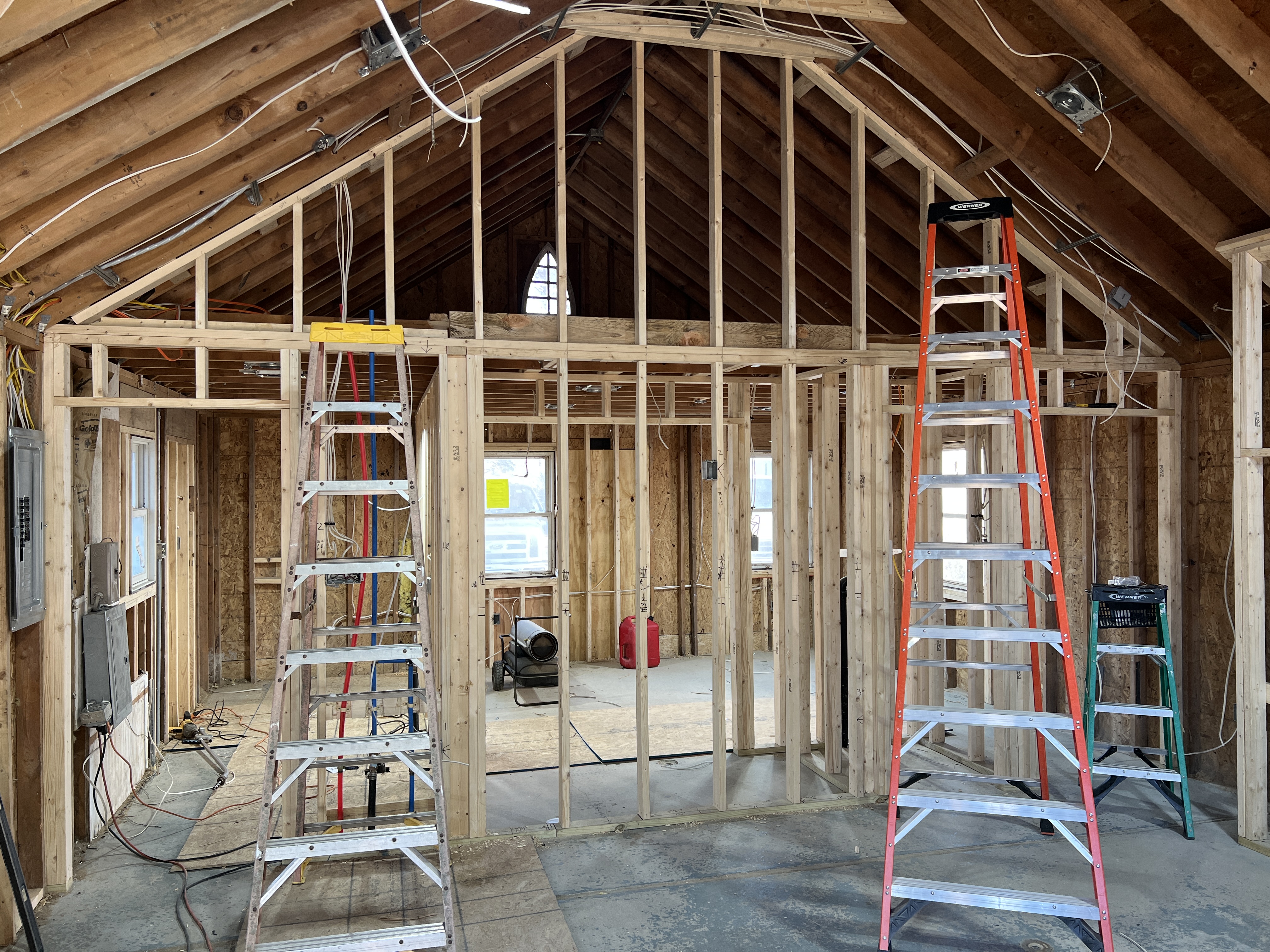
Adding a room addition to a shore home is one of the highest-ROI improvements a second-home owner can make. More square footage means more guests, more comfort, more flexibility for rentals, and real appraised value. But a shore property addition comes with layers of complexity that most inland projects don't have.
After completing additions throughout Cape May County, Atlantic County, and Ocean County, here's what we wish every homeowner knew before we broke ground.
Flood Zone Regulations Are Different at the Shore
This is the most important factor that catches shore homeowners off guard. Most coastal properties in New Jersey fall within FEMA-designated flood zones — and any addition that increases the footprint or value of your home past certain thresholds can trigger what's called the "50% rule."
The 50% Rule: In most New Jersey coastal municipalities, if your renovation or addition costs more than 50% of the structure's pre-improvement market value, the entire structure must be brought into compliance with current flood zone elevation requirements. This can mean raising the entire home — a significant and expensive undertaking.
This doesn't mean you can't add on — it means you need to know where you stand before you start. The first call on any shore addition should be to your local building department to understand your flood zone designation and what the thresholds are for your specific property.
Setback Requirements Are Tighter at the Shore
Every municipality has setback requirements — minimum distances from property lines, streets, and wetlands. Coastal municipalities often have additional setbacks from the mean high water line, dune lines, and tidal wetlands that simply don't exist inland.
Before designing an addition, we pull the survey, identify all applicable setbacks, and map exactly how much buildable footprint remains. What looks like a straightforward side addition on paper sometimes turns out to be constrained by a wetlands setback nobody knew was there.
Permitting Takes Longer
Plan for permitting to take longer at a shore municipality than you might expect. Coastal towns frequently have smaller building departments, seasonal staffing, and additional review requirements — CAFRA (Coastal Area Facility Review Act) permits for properties near the waterfront, for example.
A realistic permitting timeline for a shore addition is 6-12 weeks in most Cape May County municipalities. Starting the process early — and with a contractor who knows the local requirements — is essential for getting on the schedule you want.
Popular Shore Home Additions We Build
Master Suite Additions
The most common addition we build for shore properties. Adding a ground-floor or second-floor master suite with a private bath eliminates the bedroom shuffle that happens when families grow and makes the property significantly more valuable for both personal use and rental income.
Sunrooms and Three-Season Porches
Enclosed porches and sunrooms add livable square footage at a lower cost per square foot than a full addition. They're particularly popular for shore homes because they extend the usable season — you can enjoy a morning coffee on the porch in April or October when an open deck wouldn't be comfortable.
Garage Conversions
Many older shore homes have detached garages or carports that can be converted to additional living space, guest suites, or bunk rooms for a fraction of the cost of a new addition. Depending on your flood zone and setbacks, this can be an efficient path to significant additional square footage.
Second-Story Additions
For properties where the footprint is constrained by setbacks or lot size, going up is often the best option. A second-story addition avoids many of the flood zone complications that ground-level footprint expansions trigger.
Thinking About an Addition?
We'll walk the property with you, pull the survey, and give you an honest assessment of what's possible before you commit to anything.
Get a Free ConsultationThe Right Time to Start Planning
Shore construction has a tight season window. The best time to start planning your addition is fall or winter — when we're pulling permits and finalizing designs — so you're ready to break ground in early spring and have the addition complete before summer. Homeowners who wait until spring to start the conversation often end up on a fall construction schedule.
What It Costs
Shore additions cost more than comparable inland projects — higher material costs, longer logistics, and more complex permitting all contribute. A realistic starting point for a well-built shore addition is higher per square foot than what you'd see quoted for an inland project in Burlington County or Mercer County. The ROI is there — shore real estate values support the investment — but we want homeowners to have accurate expectations before we meet.
Ready to explore what's possible? Contact Shore Build Pros for a free consultation. We'll walk the property with you and give you a clear picture of what's feasible before you commit to anything.